
Guide to the
Spirit of Tasmania Ferries
Arriving in the “Apple Isle” aboard the Spirit of Tasmania is an iconic experience, whether you’re travelling with your own vehicle or coming as a foot passenger.
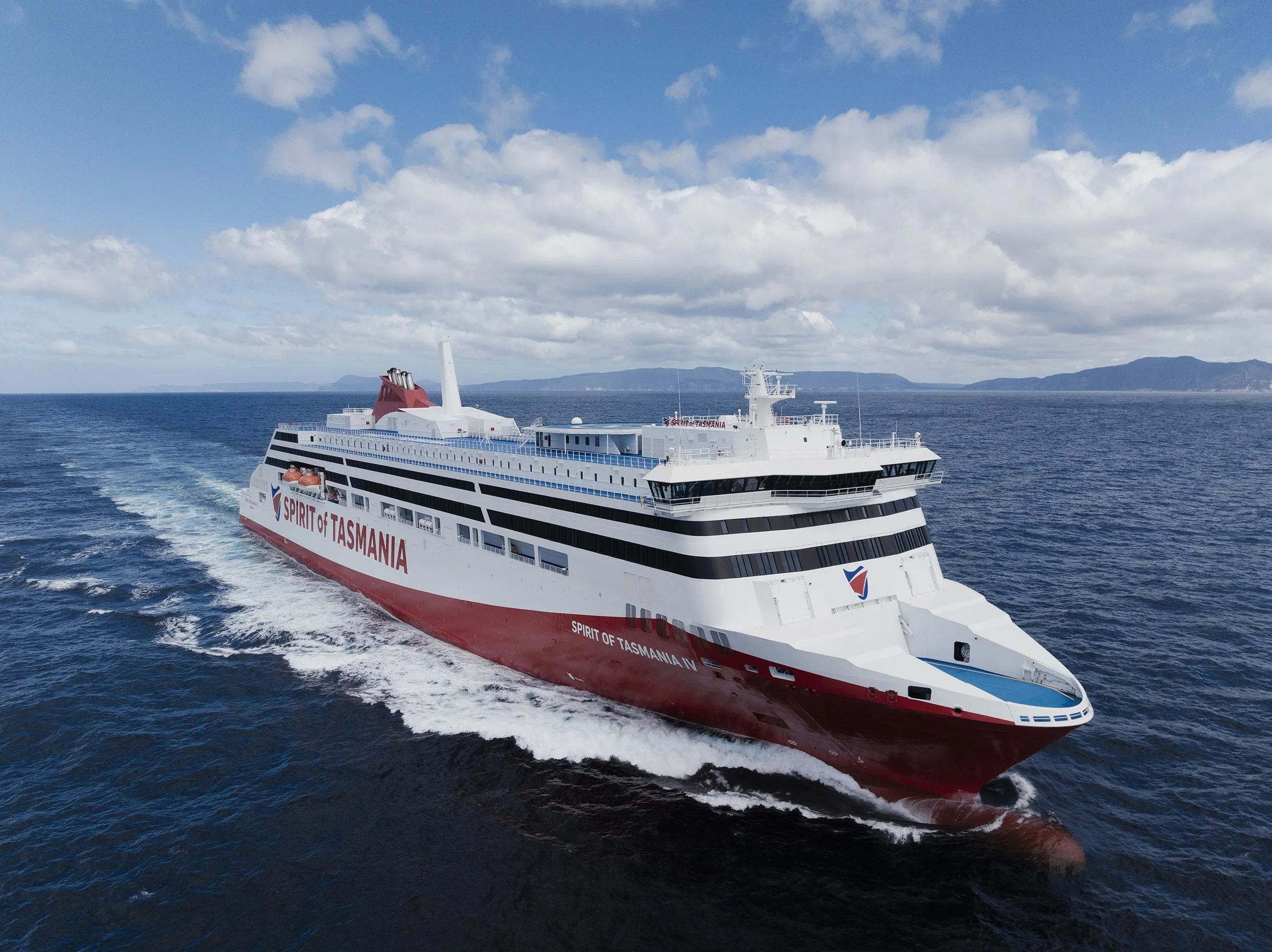
And that experience is having a facelift with the launch of two new vessels – Spirit of Tasmania IV and Spirit of Tasmania V – designed to support the increasing number of people travelling to Tasmania.
Sail to Tasmania. Let us take you from there.
Make the Spirit of Tasmania crossing part of your holiday, then step ashore in Devonport ready to explore. With eGuide’s shuttle services, private transfers, guided tours and weekend escapes, you can discover Tasmania without bringing a car.
We live in Devonport, know the region well and would love to show you around. Whether you need a simple transfer or help planning your adventure, our friendly local team is here to help.
Book your sailing through the Spirit of Tasmania website, then tell us your plans—we’ll reply with options and prices.

Quick facts about the Spirit of Tasmania Ferries
-
There are several cabin categories available on the new Spirit of Tasmania ferries, as well as recliner seating for travellers who don't want to spend more on a private room.
Deluxe Cabins are ideal for couples, with a queen-sized bed, private ensuite and porthole window providing ocean views.
Inside Cabins provide four bunks and a private ensuite but have no window. They can accommodate up to four people and are generally the most economical cabin choice.
Porthole Cabins are available with either twin beds or two sets of bunks and include their own ensuite bathroom.
Standard Recliners are included with overnight sailing fares. These semi-reclining seats have footrests and individual reading lights, and the surrounding area is kept dim to make sleeping easier.
-
The main dining venue aboard the new Spirit of Tasmania ferries is the Tasmanian Market Kitchen, or TMK, which focuses on Tasmanian produce. The self-service buffet offers a selection of hot dishes, salads and vegetarian choices, with breakfast, lunch and dinner available, depending on the sailing schedule.
For something faster or more casual, The Pantry serves sandwiches, wraps, pies, pastries and snacks. This is the place to head if you just want a quick snack or to grab breakfast on the go before you disembark from an overnight sailing.
Passengers can also purchase Tasmanian wines, beers, ciders and cocktails from the onboard bars. Some bar areas also offer barista-made coffee and tea for a morning pick-me-up before you hit the road.
-
The new Spirit of Tasmania IV and V have been designed with a stronger emphasis on entertainment and relaxation, helping make the long Bass Strait crossing feel more like a cruise experience.
There are onboard cinemas screening recent films and some sailings will feature live performances from Tasmanian artists. During school holidays, daytime crossings are set to include additional activities for families.
The panoramic lounges are another standout feature of the new vessels. Large windows provide expansive ocean views, while comfortable seating creates a pleasant place to read, relax or simply watch Bass Strait roll by.
-
Onboard the new Spirit of Tasmania ferries is a general store that sells a range of useful items, including snacks, drinks, travel necessities and souvenirs. Think of it as a combination of a small convenience store and a tourist shop. A duty-free section offers products such as alcohol, fragrances and electronics.
There's also an information desk where you can obtain maps of Tasmania and travel advice, plus brochures for popular tours. Select Tasmanian travel products, including Parks passes, are also available for purchase onboard.
-
The Spirit of Tasmania caters for passengers with reduced mobility, disabilities, sensory impairments and certain medical requirements. Passengers using wheelchairs, mobility scooters or walkers can access the ship via lifts, with assistance available from staff and ship wheelchairs where required.
If you need assistance, we recommend notifying the company at least 48 hours before departure to make arrangements.
Onboard, you’ll find accessible routes that are designed to accommodate mobility aids and the vessels provide dedicated accessible cabins. Accessible recliner seating is also available near accessible toilets, with emergency call buttons positioned within reach.
Certified assistance animals and guide dogs are also permitted onboard. That said, relevant documentation must be provided during the booking process and animals must remain under the owner's control throughout the voyage.
-
Pets such as dogs, cats, rabbits and guinea pigs can be carried on the Spirit of Tasmania, although travelling with an animal requires some additional preparation and they need to be included in your reservation.
The new Spirit of Tasmania IV and V vessels will offer pet-friendly cabins where dogs and cats can stay with their owners. The kennel facilities are also being upgraded with features such as climate control, CCTV and controlled access. Crew members are on hand to conduct regular welfare checks and ensure that fresh water is available.
Kennel spaces and pet-friendly cabins are limited. During busy travel periods, they can book out, so we recommend making your reservation as early as possible.